
Technological Pathways
Sustainable Aviation Fuels (SAF) – The Future of Aviation
Sustainable Aviation Fuels (SAF) are a key step towards more sustainable aviation. They significantly reduce CO₂ emissions and are compatible with existing infrastructure and today’s aircraft engines. A range of technology pathways exists, differing in feedstocks, sustainability performance, and scalability. Given the high demand for sustainable aviation fuels and the limited availability of individual feedstocks, all viable production pathways will be needed.
The only commercially established pathway to date is the HEFA route (Hydroprocessed Esters and Fatty Acids). However, its long-term potential is strongly constrained by the availability of used cooking oils, while a shift towards dedicated vegetable oils such as palm oil can even undermine climate benefits. Other promising and sustainable pathways include Alcohol-to-Jet (AtJ), Biomass-to-Liquid (BtL), Power-and-Biogas-to-Liquid (PBtL), and Power-to-Liquid (PtL).
At Solarbelt, we support the market introduction of technologies that offer the highest potential for CO₂ reductions, are suitable for deployment in countries of the Global South, and qualify under European frameworks for reducing transport-related greenhouse gas emissions. These include, in particular, BtL and PtL technologies.
The following table provides a comparative overview of the key characteristics of the different technology pathways:
HEFA
AtJ
PBtL
(Reforming)
PBtL
(Plasmalysis)
PtL
CO₂ Reduction Potential
60-80%
70-80%
70-90%
70-90%
Up to 90%
Up to 100%
Optimal Biomass Feedstocks
Used Cooking Oils, Animal Fats, and Vegetable Oils
Sugar- and Starch-Rich Agricultural Crops
Biogenic Waste and Sewage Sludge
Biogenic Waste and Sewage Sludge
Wood Residues, Woody Biomass and Agricultural Residues
No Direct Biomass Required (CO₂ from Emissions or Direct Air Capture)
Availability of Sustainable Biomass
Low
Low - Medium
Medium
Medium
Medium - High
Not Relevant
Biogenic CO₂ Currently in Limited Supply
Technology Maturity
TRL 9
TRL 7-8
TRL 6-7
TRL 4-6
TRL 6-7
TRL 6-7
Electricity Demand
(% of final fuel energy content)
Low
(>5%)
Medium
(10-20%)
Medium
(10-25%)
Medium
(40-60%)
Low
(5-10%)
Very High
(100%)
Production Costs
Low
Medium
Medium
Medium
Medium
High
Conclusion
High Risk of Using Energy Crops (Food vs. Fuel Dilemma)
A Suitable Pathway for the Global South Where Biogas Is Not Better Used Locally, Thanks to Moderate Electricity Demand
Well Suited for the Global South, as It Utilizes Residual Biomass and Requires Little Electricity
Well Suited for the Global South Where Sufficient Renewable Electricity Is Available
Focus Solarbelt
-
-
X
X
X
X
The following sections provide a detailed overview of the individual technology pathways:
Power-to-Liquid (PtL) – Synthetic Fuel from Renewable Energy

PtL (Power-to-Liquid) fuels are produced by combining green hydrogen (H₂), generated through electrolysis, with captured CO₂. In this process, hydrogen and CO₂ are converted into synthesis gas, which is then transformed into liquid fuels through chemical synthesis processes. PtL can be nearly carbon-neutral if the required electricity is sourced entirely from renewable energy and the CO₂ is obtained from biogenic sources or directly from the atmosphere.
Currently, PtL is the most expensive production pathway, primarily due to its high electricity demand, the complexity of the process chain, and the substantial capital costs associated with hydrogen production and syngas conditioning. As a result, PtL is economically most attractive in locations with very low electricity costs, such as regions within the Sun Belt that offer excellent wind and solar resources or access to hydropower.
In the long term, PtL has significant potential because it is the only pathway capable of using CO₂ from Direct Air Capture (DAC), making it independent of limited biogenic CO₂ sources. In addition, PtL can theoretically achieve the highest CO₂ reduction potential—up to 100% under ideal conditions. Recognizing this potential, the EU already provides targeted support for the deployment of PtL fuels in hard-to-abate sectors to enable timely market scale-up.
Biomass-to-Liquid (BtL) – Sustainable Utilization of Biomass
Biomass-to-Liquid (BtL) technology converts lignocellulosic residues, wood waste, and agricultural biomass into Sustainable Aviation Fuel (SAF). The biomass is first gasified to produce synthesis gas (syngas), consisting primarily of carbon monoxide and hydrogen. This syngas is then converted into liquid hydrocarbons through the Fischer–Tropsch process or methanol synthesis, followed by upgrading into high-quality aviation fuel. By using sustainable biomass feedstocks, BtL SAF can reduce lifecycle CO₂ emissions by up to 90% compared with conventional fossil kerosene, making it an important pathway for decarbonizing aviation. A major advantage of
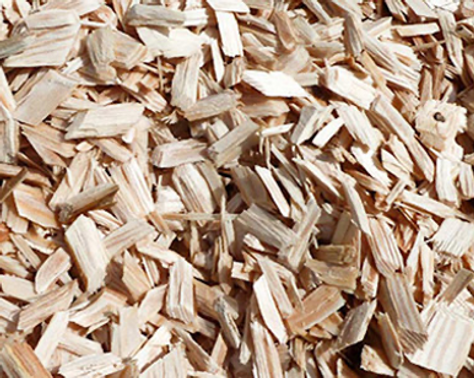
this technology is that it uses non-food biomass, such as straw and wood residues, thereby avoiding competition with food production. However, the availability of sustainable biomass is limited, and its collection, processing, and supply can be complex. In a joint study with the ifeu Institute, Solarbelt assessed which biomass feedstocks can be used for green kerosene while meeting strict social and environmental sustainability standards, and estimated their availability in countries of the Global South.
Power-and-Biogas-to-Liquid (PBtL) – Liquid Fuel from Biogas
PBtL converts biogas, produced from organic waste and residual materials through anaerobic digestion, into liquid fuels such as synthetic kerosene. The process makes productive use of waste streams while reducing methane emissions that would otherwise be released into the atmosphere. The technology for producing synthesis gas via methane reforming is already relatively mature, although its integration with fuel synthesis processes is still under development. However, the scalability of PBtL is often limited by the availability of biogas, which in many cases can be used more efficiently as a direct substitute for fossil natural gas.

Sustainable Aviation Fuel from Vegetable Oils and Waste – The HEFA-SAF Technology

HEFA-SAF (Hydroprocessed Esters and Fatty Acids) technology converts vegetable oils, animal fats, and used cooking oils into Sustainable Aviation Fuel (SAF). These feedstocks are processed through hydrotreatment and upgrading to produce high-quality, clean-burning aviation fuel. When produced exclusively from waste oils and other sustainable feedstocks, HEFA-SAF avoids competition with food production while providing an effective pathway to
lower aviation emissions. HEFA is currently the only SAF technology deployed at commercial scale, and when an aircraft is fueled with sustainable aviation fuel today, it is almost certainly using HEFA-SAF. However, the supply of sustainable waste oils and residual feedstocks suitable for this pathway is limited, and sourcing, collecting, and transporting these materials can present significant logistical challenges.
Alcohol-to-Jet (AtJ) –
Sustainable Aviation Fuel from Sugar- and Starch-Based Biomass
Alcohol-to-Jet (AtJ) technology converts ethanol and other alcohols into Sustainable Aviation Fuel (SAF). The process begins with the production of ethanol, primarily from sugar- and starch-rich residual biomass such as sugarcane molasses or fruit waste. In a multi-step chemical conversion process, the alcohol is first converted into intermediate molecules such as olefins. These are then transformed through oligomerization, hydrogenation, and isomerization into high-quality aviation fuel with performance characteristics equivalent to conventional kerosene. A key advantage of this technology is that ethanol is already produced at large scale worldwide, offering

significant potential for rapid deployment. However, when food or feed crops are used directly for ethanol production, the resulting fuels are classified as first-generation biofuels. Under current EU regulations, these fuels are either excluded from or subject to strict limits for meeting greenhouse gas reduction targets in the transport sector.
When produced from residual biomass and non-food feedstocks, AtJ-SAF avoids competition with food production and qualifies toward the EU's renewable energy targets. However, the availability of sustainable residual feedstocks for the AtJ pathway is limited. In addition, there is a risk of indirect land-use change (ILUC) when crops such as sugarcane are used as feedstocks, as increased demand may drive agricultural expansion, displacing existing land uses and potentially contributing to ecosystem degradation and deforestation.
Final Assessment
Under the EU Renewable Energy Directive (RED), strict sustainability requirements apply to the production of Sustainable Aviation Fuel (SAF) in order to minimize environmental and social impacts. For biomass-based pathways, for example, selecting inappropriate feedstocks can create competition between food production and energy supply. Likewise, the electricity used for SAF production must be renewable and additional to the existing power system, ensuring that SAF production does not divert clean electricity from local communities. These sustainability requirements apply to aviation fuels placed on the European market. However, SAF produced and used elsewhere in the world is not necessarily subject to the same standards. For this reason, we place particular emphasis on supporting only those technologies and production locations where these sustainability risks are minimized from the outset.
Due to its significant long-term potential and its independence from limited biogenic carbon sources that may compete with other uses, we consider the Power-to-Liquid (PtL) pathway to be the most promising technology for producing sustainable fuels for aviation and maritime transport. We are committed to advancing this pathway, particularly in countries of the Global South where abundant, low-cost renewable electricity is already available today, such as Kenya and Ethiopia.
In addition, our biomass study shows that sufficient sustainable residual biomass is available in countries of the Global South to establish BtL production without creating competition between food and fuel. Furthermore, the electricity demand of this pathway is comparatively low. The Power- and Biogas-to-Liquid (PBtL) pathway also has access to sufficient residual biomass, but it requires significantly more electricity.
We take a more critical view of the HEFA and Alcohol-to-Jet (AtJ) pathways. While sustainable biomass feedstocks are available for these technologies, their supply is highly limited. In regions with weak regulatory frameworks and limited enforcement, there is a risk that feedstocks such as palm oil—which can directly or indirectly contribute to deforestation and undermine food production—may be used in these pathways, particularly when the resulting aviation fuel is produced for markets outside the EU, where strict European sustainability requirements do not apply.