
Biomass-to-Liquid
Biomass-to-Liquid (BtL) technology converts solid biomass such as wood residues or by-products from food production into liquid fuels. In the first step, the biomass is transformed into synthesis gas consisting of carbon monoxide and hydrogen through high-temperature gasification. The synthesis gas is then cleaned, conditioned, and converted into liquid hydrocarbons through catalytic synthesis processes such as Fischer–Tropsch synthesis or methanol synthesis. These products can subsequently be refined into fuels such as sustainable aviation fuel. Although the technology based on woody residual biomass is already technically mature, production costs are still relatively high. However, with increasing demand and larger production scales, BtL is expected to play a key role in the decarbonization of the transport sector. One major advantage of the BtL pathway compared to the Power-to-Liquid route is its very low electricity demand, as most of the required energy is derived directly from the biomass itself. This makes BtL particularly well suited for countries in the Global South. Without compromising access to sustainable electricity for local populations, underutilized residual biomass can be transformed into valuable resources, while creating new jobs in the collection and pre-processing of biomass residues. In 2023 and 2024, we used the Syngas-Plattform Vienna to successfully produce synthetic crude oil from 25 tons of cashew nut shells sourced from Côte d’Ivoire and 20 tons of coconut shells from Indonesia — both world firsts. Through these projects, we were able to demonstrate that these biomass residues are highly suitable feedstocks for BtL technology.
Our Biomass-to-Liquid Projects
BEST’s Syngas Platform in Vienna
Status: Implemented
The complete conversion of residual biomass into BtL fuels has been successfully demonstrated.
Solarbelt is an industrial partner of the COMET K1 Center BEST 4.0 and is therefore not only at the forefront of advancing Biomass-to-Liquid technologies - Solarbelt is also able to use BEST’s Syngas Platform in Vienna to convert biomass into synthetic crude oil via the BtL pathway - in an industrial-scale facility.

BtL-Plant in Indonesia
Status: Pre-Developed
Fully developed to investment readiness.
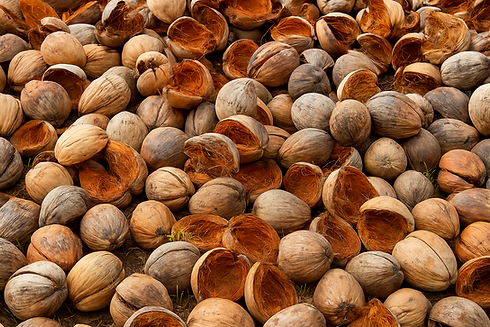
Indonesia is the world’s largest producer of coconuts, resulting in substantial quantities of coconut shells as a by-product. While a portion of these shells is already utilized today - for example for the production of biochar - large amounts are still discarded or burned without being used. Together with our Indonesian project partner, we are developing a project to build an industrial-scale Biomass-to-Liquid plant capable of converting coconut shells into synthetic crude oil.
Cote d'Ivoire
Status: Pre-Developed
Project concepts developed, with the technical feasibility of converting cashew nut shells through gasification successfully demonstrated.
Together with a local partner in Côte d’Ivoire, we transported 25 tonnes of cashew nut shells to Austria in a shipping container and successfully converted them into synthetic crude oil during a multi-day campaign at the Syngas Platform Vienna, operated by our partner BEST – Bioenergy and Sustainable Technologies GmbH. Both CNSL-containing and CNSL*-free cashew nut shells proved to be excellent feedstocks for syngas production through dual fluidized bed gasification. As residues from food production, they also meet our strict sustainability criteria while enabling the profitable production of sustainable aviation fuels and creating additional income opportunities for local biomass suppliers. We continue to refine the plant concept and our strategy for establishing BtL technology in West Africa. If you are interested in collaborating with us, please contact us at info@solarbelt.de.
* CNSL (Cashew Nut Shell Liquid) is a naturally occurring phenolic oil extracted from cashew nut shells. It is used industrially as a sustainable feedstock for the production of plastics, resins, coatings, and lubricants.

India
Status: In Concept Development
Actively seeking project partners to launch the first feasibility studies.
India has a long tradition of biomass gasification. Many companies have been active in the gasification sector for decades, primarily using synthesis gas for power generation. As a result, the step toward producing synthetic crude oil is smaller than in countries where there is little or no prior experience with this technology. India is also a highly fertile country with extensive agricultural activity, generating large amounts of residual biomass. Our sister organization, atmosfair i, has therefore been active in climate protection projects in India for many years, working with local partners to generate electricity from residual biomass or distribute subsidized efficient cookstoves to households.. Together with a partner from the bioenergy sector, Solarbelt has analyzed a range of biomass feedstocks, including cotton harvesting residues, mustard crop residues, and invasive shrub biomass. These feedstocks appear promising at first glance and meet our sustainability and economic criteria. The next step is to confirm their technical suitability through further testing and demonstration campaigns.

Thailand
Status: In Concept Development
Actively seeking project partners to launch the first feasibility studies.
Together with the German Agency for International Cooperation (GIZ) Thailand office, we analyzed the potential of coconut shells and cassava harvest residues as feedstocks for BtL projects in Thailand as part of an H2Uppp project. For both biomass types, we already know that they are technically well suited for BtL applications. In particular, cassava harvest residues currently have only limited alternative uses, meaning that local farmers could benefit from an additional source of income through their utilization. We are currently seeking partners in Thailand to further advance the implementation of BtL technology and bring these projects into development.
